
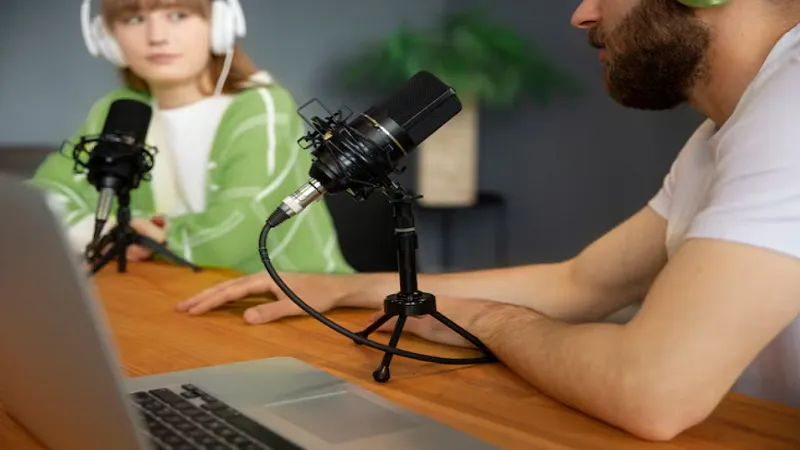
A gaming microphone plays an important role in communication, whether a player is coordinating with teammates, participating in multiplayer sessions, or streaming gameplay. Clear audio allows others to understand speech without unnecessary background noise or distortion. Choosing the right microphone therefore involves more than simply looking at sound quality. Factors such as sensitivity, pickup pattern, connectivity, durability, monitoring, and compatibility can all affect its performance.
Key Features and Specifications
Several technical features should be considered when choosing a gaming microphone. Sensitivity determines how effectively the microphone detects sound. A highly sensitive microphone can capture quiet speech, but it may also pick up unwanted sounds from keyboards, fans, or nearby conversations. For gaming environments where background noise is common, effective noise reduction can help keep the player’s voice clearer.
The polar pattern also affects how a microphone captures sound. Cardioid microphones primarily pick up audio from the front while reducing sounds from the sides and rear. This makes them suitable for gaming desks where the microphone needs to focus on the player’s voice. Omnidirectional microphones, by comparison, capture sound from multiple directions and may be better suited to situations where a wider audio area is required.
Connectivity and Compatibility
The type of connection affects both setup and functionality. USB microphones are widely used for gaming because they generally offer a straightforward plug-and-play setup. They can be connected directly to compatible computers and other devices without requiring additional audio equipment.
XLR microphones provide another option, particularly for users who want greater control over their audio setup. However, they normally require additional equipment such as an audio interface or mixer. This can provide more flexibility but also makes the setup more involved.
Device compatibility should also be checked before purchasing. A microphone intended for PC gaming may not necessarily offer the same functionality on consoles or other platforms. Native compatibility and supporting software can make switching between devices easier.
Design and Durability
A microphone’s construction can affect how well it performs over time. Gaming equipment is often used for extended periods, so a sturdy design can help withstand regular handling and adjustments.
The mounting system is another consideration. A desktop gaming microphone is convenient for compact setups, while boom-mounted microphones can provide greater flexibility in positioning. Stability is particularly important because unwanted movement can introduce vibrations or changes in audio levels.
The microphone’s size and overall design can also influence how well it fits into an existing gaming setup. A practical design should provide easy access to controls without taking up unnecessary desk space.
Sound Quality and Performance
Sound quality is one of the most important considerations for gaming microphones. Frequency response determines the range of frequencies a microphone can capture. A suitable frequency range can reproduce speech naturally, allowing voices to sound clear and balanced.
Low latency is also useful for gamers and streamers who monitor their own voice. Delays between speaking and hearing the monitored audio can be distracting, particularly during live communication. A microphone with direct headphone monitoring allows users to hear their voice in real time and adjust their speaking level when necessary.
Volume controls, mute functions, and other accessible controls can further improve usability. These features allow players to make quick adjustments without leaving a game or opening additional software.
Integration with Streaming
Gaming microphones are also commonly used for live streaming. Streamers need microphones that can provide consistent voice quality while handling game audio, voice chat, alerts, and other sources.
Software integration can make these tasks easier by allowing users to adjust audio settings, manage input levels, and configure effects. Some microphones also provide controls that allow quick changes during a live broadcast.
Adjustable equalisation can help users customise how their voice sounds, while different pickup patterns can be useful when recording different types of content. These functions can give streamers greater control over their audio without requiring a complicated setup.
Environmental Noise and Sound Isolation
The surrounding environment can have a significant impact on microphone performance. Gamers who use their equipment in shared rooms may encounter background conversations, keyboard sounds, fans, or other sources of noise.
Noise reduction features can help minimise these distractions, while accessories such as pop filters can reduce unwanted sounds caused by certain speech patterns. Shock mounts can also limit vibrations that may reach the microphone through a desk or stand.
The placement of the microphone remains important even when these features are available. Positioning it at an appropriate distance and angle can help capture speech more consistently while reducing unwanted environmental sounds.
Multi-device and audio-routing support can also be useful for players who need to manage game audio, voice chat, music, and streaming audio at the same time. Greater control over these sources can simplify the overall gaming and streaming setup.
Cost and Value
Price is another factor when selecting a gaming microphone. Models are available across a wide range of price points, and the most expensive option is not necessarily the best choice for every user.
A practical approach is to identify the features that are most important for the intended use. A player who mainly communicates with teammates may prioritise clear voice reproduction and noise reduction, while a streamer may require software controls, monitoring, and more advanced audio settings.
Additional accessories should also be considered when calculating the total cost. A microphone stand, boom arm, pop filter, or shock mount may improve usability and sound quality but can increase the overall investment.
Conclusion
Choosing a gaming microphone requires consideration of how and where it will be used. Sound quality, pickup pattern, connectivity, compatibility, durability, monitoring, environmental noise, and price all contribute to the overall experience.
By focusing on practical requirements rather than unnecessary features, gamers can select a microphone that suits their setup and provides reliable communication. Whether it is used for competitive gaming, casual multiplayer sessions, or streaming, the right microphone can provide clearer voice transmission and better control over the overall audio experience. See more